Yes, the far side of the Moon has noticeably more visible craters than the near side. Both hemispheres were struck by roughly the same number of asteroids; the difference is the crust. The near side has a much thinner, lower-density crust, so ancient impacts were flooded by upwelling lava and resurfaced into the dark lunar maria we see from Earth, while the far side’s thicker, lava-resistant crust preserved its craters intact.
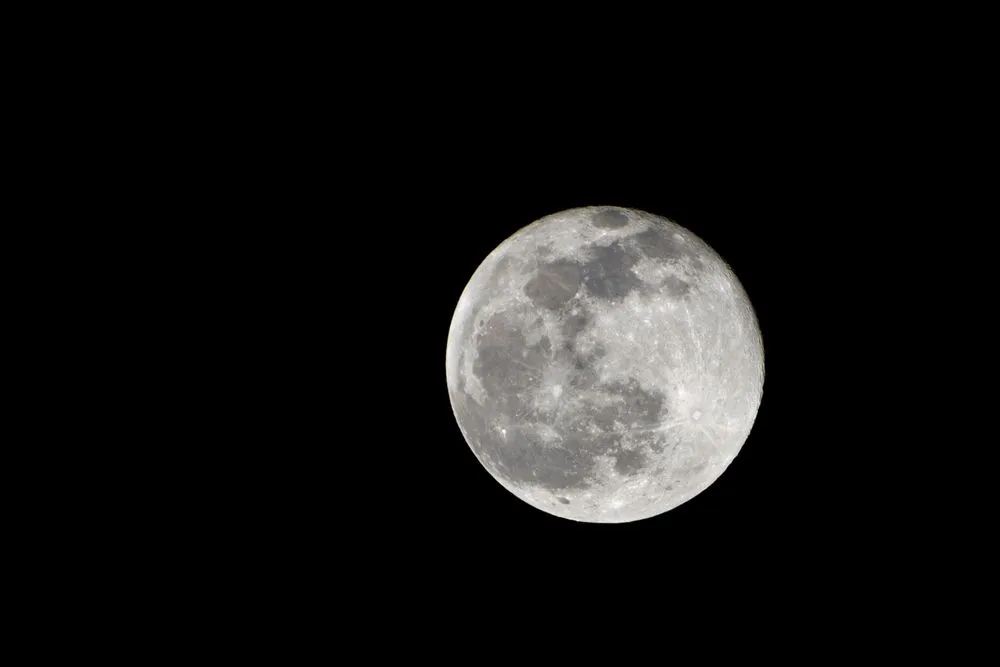
The night sky is full of beautiful celestial objects, but there is one that has been with us and closest to us for a very long time. Yes, I am talking about our beloved Moon.
The silvery hue of the Moon is only made better thanks to all its craters and giant black spots.
However, there is one funny thing about our Moon—we only see one of its sides at any time. (Here is a beautiful article that talks about tidal locking and deals with a very intriguing question about a Moon.)
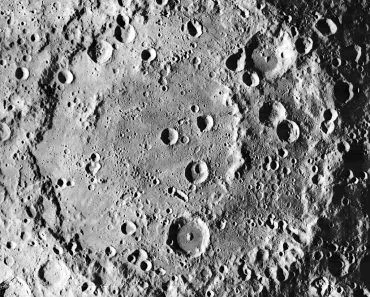
When we finally got the pictures of the side that does not face us, astronomers were staggered to see it covered with more craters than the near side (in fact, there are so many of them that my trypophobia gets triggered every time I look at its pictures).
So does the far side of the Moon really have more craters than its near side? And if so, then what is the reason behind it?
Does The Far Side Have More Craters?
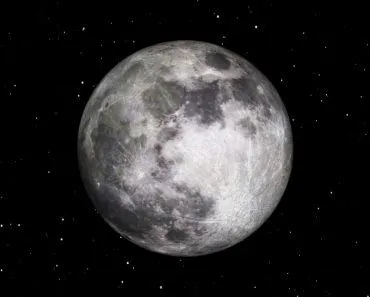
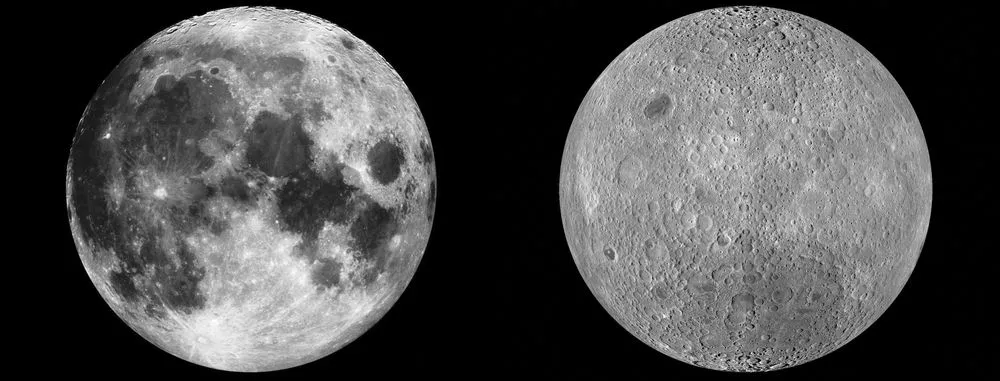
A first glance at the pictures of the far side of the moon (the side that always faces away from Earth) and the near side of the Moon (the side that always faces towards Earth) clearly shows that there are some stark differences between the two lunar sides.
The far side of the Moon is sometimes referred to as the dark side, which might mislead you into believing that it is always in the dark, but this is simply not the case. It’s only called the dark side because it is always facing away from us, which generates a bit of mystery around what it looks like and what happens there.
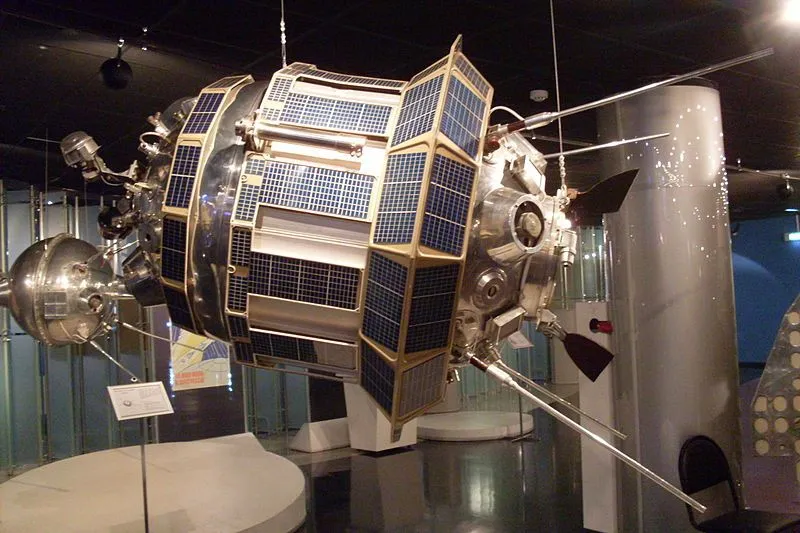
It wasn’t until October 7, 1959 that humans first saw the far side of the Moon, courtesy of the Soviet spacecraft Luna 3, which returned the first 17 grainy photographs of the lunar farside (covering roughly 70% of it). With the two images side by side, the differences were immediately clear.
First of all, the far side of the Moon did not have any appreciable Lunar maria. Lunar maria are the huge dark plains of cooled basaltic lava that you can see on the near side of the Moon; they cover roughly 31% of the near-side surface but only about 1% of the far side. There were also considerably more small craters scattered around the far side of the Moon than on the near side.
Did Earth Act As A Shield For The Near Side Of The Moon?
When this “discovery” of the far side was made, many scientists began to scratch their heads to come up with a reason for the heavy cratering. One of the first widely accepted theories was that the Earth shielded the near side of the Moon from asteroids, so the far side had to withstand more impacts.
Although the logic seems sound, at first thought, there are some huge loopholes (or “logical craters”, in this case) in this theory. When the calculations were done, it was found that the Earth only covers a small part of the Moon’s night sky, certainly not enough to shield it from oncoming asteroids.
Lunar Lava Could Have Filled The Craters!
After finding out that the Earth couldn’t have shielded the near side of the Moon from all those asteroids, scientists studied the matter more rigorously. They tentatively agreed that both sides of the Moon received the same amount of asteroid impacts, but something on the Moon caused the ones on the near side to disappear.
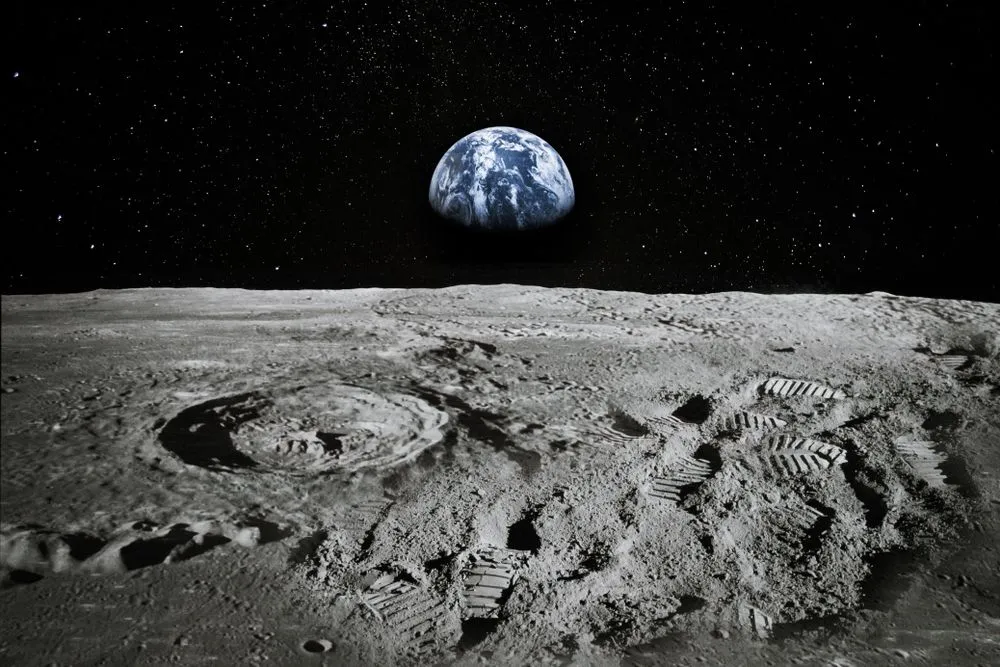
It was soon found that the crust of the near side of the Moon is much thinner than that of the far side. Since the crust is so thin, the lava could come out of it and pour into the craters, effectively filling them.
In other words, even though both sides of the Moon received the same amount of asteroid impacts, it was the far side, with its thick crust, that was left with their memory, whereas the near side and its thin crust used the lava to fill the craters and heal itself up.
Why The Difference Between The Crusts?
A more in-depth study brings out some interesting findings regarding the crusts. NASA’s GRAIL mission, which mapped the Moon’s gravity field in 2012, confirmed that the far-side crust is roughly 20 km thicker on average than the near-side crust. Why this asymmetry exists is still actively debated, with two main hypotheses on the table.
One hypothesis is thermal: when the Moon and Earth were both young, the Moon cooled faster than Earth, and because it was already tidally locked, only the near side was being baked by the heat radiating from a still-molten Earth. That kept the near-side crust thin and young while the far side cooled and thickened.
The other (and currently better-supported) hypothesis is compositional: the near side of the Moon contains a far higher concentration of heat-producing radioactive elements such as uranium, thorium, and potassium, in a layer geologists call KREEP. The radiogenic heat from these elements kept the near-side mantle warmer and more easily melted for hundreds of millions of years longer, producing the thinner crust and the lava floods that eventually filled the near-side basins. Recent analyses of Chang’e 6 samples returned from the far side in 2024 are helping pin down which mix of these factors dominated.
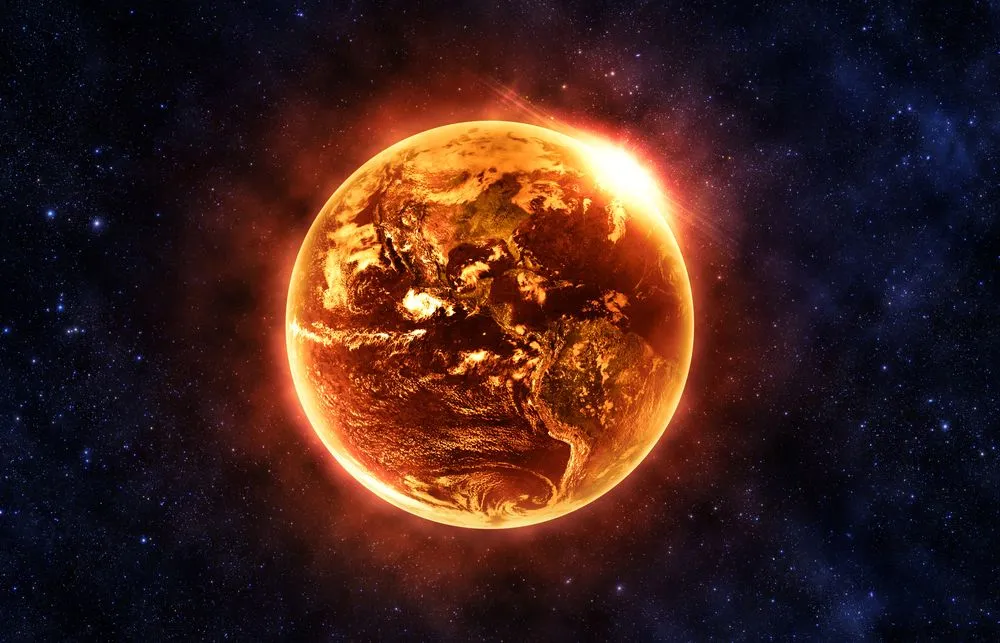
Due to being heated up, the crust on the near side was young and thin, while the crust on the far side was old and thick. Whenever there were meteoroid impacts on the near side, they would go past the thin crust and throw the molten lava out, which would eventually settle down and form the lunar maria.
And because the far side was cold and covered by a thick crust, the meteoroid impacts couldn’t penetrate the crust, thus leaving craters and valleys on the far side.
Conclusion
It’s true that there are more visible craters on the far side of the Moon than its near side. However, this doesn’t mean that the near side was shielded from asteroid impacts. In fact, both sides received roughly the same amount of asteroid collisions; it was the difference in the types of crust on the two sides that made the craters on the far side more prominent, while the impacts formed huge lunar maria on the other.
References (click to expand)
- 55-year-old dark side of the moon mystery solved - Penn State. The Pennsylvania State University
- Near-side/far-side impact crater counts - SSERVI - NASA. The Solar System Exploration Research Virtual Institute
- Moon Craters - Hyperphysics. Georgia State University
- Van Dorn, W. G. (1969, August 15). Lunar Maria: Structure and Evolution. Science. American Association for the Advancement of Science (AAAS).